INTENT ANALYSIS // BEHAVIORAL AI
AI-Driven Content and Micro-Intents
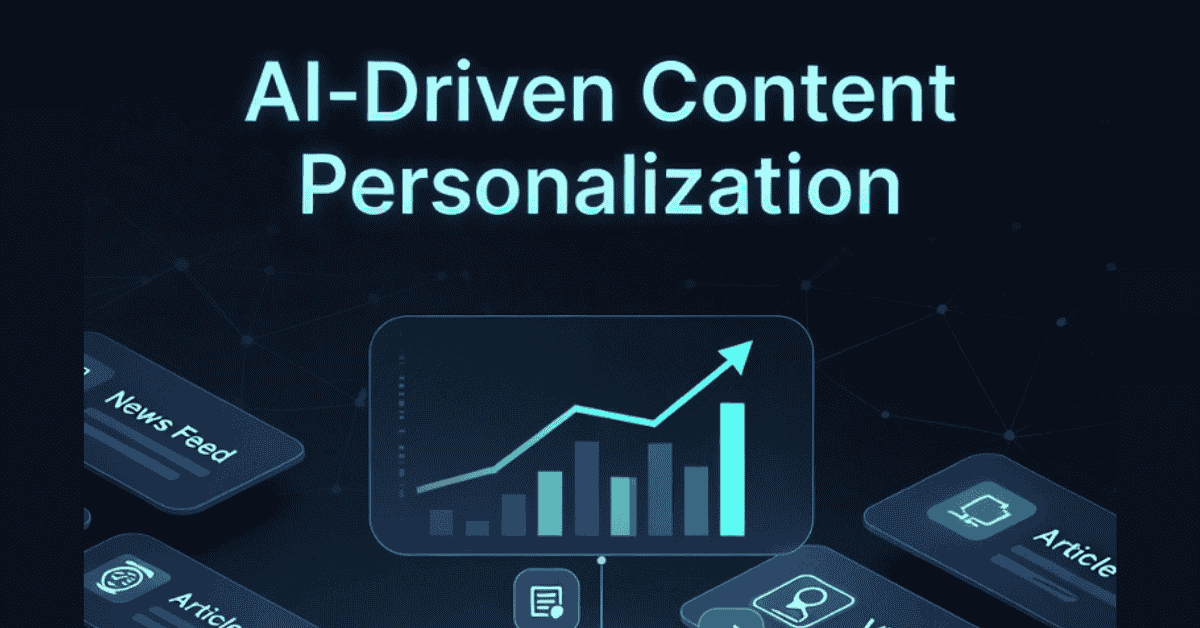
AI-Driven Content Personalization and Micro-Intents
In the fast-paced digital world of 2026, where users expect experiences tailored just for them, AI-driven content personalization has become a cornerstone of effective marketing and user engagement. Gone are the days of one-size-fits-all content; now, brands leverage artificial intelligence to deliver hyper-relevant experiences that feel intuitive and personal. At the heart of this evolution lies the concept of micro-intents—those subtle, granular signals of user needs that AI deciphers in real-time. With AI adoption in marketing surging by over 50% in the last year alone, mastering this duo isn't just smart—it's essential for boosting conversions, retention, and loyalty. This article explores how AI powers content personalization through micro-intents, offering best practices, tools, and insights to help you stay ahead.
What Is AI-Driven Content Personalization?
AI-driven content personalization uses machine learning algorithms to analyze user data and deliver customized content experiences. This goes beyond basic demographics like age or location; it dives into behavior, preferences, and context to create dynamic interactions. For instance, an e-commerce site might show product recommendations based on your browsing history, while a news app curates articles aligned with your reading patterns.
In 2026, this personalization is powered by advanced AI models that process vast datasets in real-time, predicting what users want before they even articulate it. Benefits include higher engagement rates—up to 20% increases in conversions—and improved customer satisfaction, as users feel seen and valued. However, it's the integration with micro-intents that takes it to the next level, allowing for hyper-precise targeting.
Understanding Micro-Intents: The Building Blocks of User Behavior
Micro-intents refer to the sub-forms of classic search intents (informational, navigational, transactional, and commercial investigation). They break down broader user goals into specific, momentary needs—like "compare prices" within a buying intent or "find tutorials" in an informational query. Often tied to micro-moments—those brief instances when users turn to devices for immediate answers—micro-intents capture the "I-want-to-know," "I-want-to-go," "I-want-to-do," or "I-want-to-buy" impulses coined by Google.
In AI content personalization, micro-intents enable brands to respond to these fleeting signals. For example, if a user searches for "best running shoes," AI might detect a micro-intent like "for beginners" based on past behavior, serving tailored content accordingly. This granularity is crucial in 2026, where attention spans are shorter, and competition for user focus is fiercer.
How AI Enables Personalization Through Micro-Intents
AI bridges the gap by analyzing real-time data from multiple sources—browsing history, search queries, social interactions, and even emotional cues—to identify micro-intents. Predictive analytics forecast these intents, allowing content to adapt dynamically. In e-commerce, AI might personalize a homepage based on a user's micro-intent to "explore eco-friendly options," while in content marketing, it could prioritize articles matching a "quick tip" intent over in-depth guides.
This synergy results in hyper-personalization at scale, where micro-segments (groups based on granular behaviors) evolve in real-time. Tools like sentiment analysis further refine this by gauging user mood, ensuring content resonates emotionally. The outcome? Engagement boosts of 2-3x and reduced bounce rates, as seen in brands using AI for journey-based personalization.
Best Practices for Implementing AI-Driven Personalization with Micro-Intents
To harness this power effectively, follow these proven strategies drawn from 2026 marketing trends.
1. Map User Journeys with Micro-Intent Focus
Start by charting customer journeys, identifying micro-moments and intents at each stage. Use behavioral data to spot patterns—like abandoned carts signaling a "price comparison" intent—and tailor content accordingly. Tools for heatmaps and analytics help reveal these insights.
2. Leverage Predictive Analytics for Intent Anticipation
Employ AI to predict micro-intents before they're explicit. Analyze past interactions to foresee needs, such as suggesting tutorials for a "how-to" intent detected in search history. This proactive approach can increase conversion rates by up to 26% through timely, relevant content.
3. Create Dynamic Content Ecosystems
Build content that adapts in real-time. Use AI to generate variants—like short videos for "quick learn" intents or detailed blogs for "in-depth research." Incorporate topic clusters around micro-intents to improve SEO and discoverability.
4. Integrate Multi-Channel Orchestration
Ensure consistency across platforms. If a micro-intent surfaces on social media (e.g., "find local events"), carry it through to email or web experiences. Omnichannel strategies enhance trust and engagement.
5. Prioritize Ethical Data Use and Transparency
With privacy concerns rising, disclose AI personalization practices. Use compliant data sources to build trust, as ethical AI drives loyalty in 2026. Avoid over-personalization that feels invasive.
6. Optimize for Conversational and Voice Search
Micro-intents often emerge in natural language queries. Structure content for AI assistants, using FAQs and semantic markup to match voice-driven intents.
7. Test and Iterate with A/B Experiments
Regularly A/B test personalized content variants based on micro-intents. Measure metrics like click-through rates and time on page to refine approaches.
8. Incorporate UGC and Social Proof
Blend user-generated content to validate micro-intents, like reviews for "trust verification" signals. This adds authenticity to AI-driven recommendations.
9. Scale with Automation Tools
Automate personalization workflows to handle micro-intents at volume. AI agents can optimize campaigns in real-time, freeing teams for strategy.
10. Measure Success Beyond Clicks
Track intent fulfillment metrics, such as conversion paths tied to specific micro-intents, using multi-touch attribution.
Tools for AI-Driven Content Personalization and Micro-Intents
- HubSpot: For CRM-integrated personalization and intent scoring.
- Adobe Experience Cloud: Advanced analytics for micro-moment targeting.
- Google Analytics 4 (GA4): Tracks behavioral signals for intent prediction.
- Customer Data Platforms (CDPs) like Tealium: Unify data for real-time micro-segments.
- AI Content Generators like Jasper or ChatGPT Enterprise: Create dynamic content variants.
- Sentiment Tools like Brandwatch: Analyze emotional intents.
Implementation Tips for Success
Begin with a personalization audit: Assess current data sources and identify micro-intent gaps. Integrate teams—marketing, data, and tech—for seamless execution. Start small with high-impact channels like email or web, then scale. Budget for AI tools, allocating 20-30% of marketing spend to personalization tech. Regularly update models with fresh data to keep intents accurate.
The Future of AI-Driven Personalization and Micro-Intents
As AI evolves, expect even deeper integration with AR/VR for immersive experiences and blockchain for secure data handling. By 2027, hyper-personalization could drive 40% of revenue growth for adopters. Embracing micro-intents now positions your brand for this future, turning fleeting user needs into lasting relationships. Dive in, experiment, and watch your engagement transform.